(image credit: by Matheus Bertelli)
Move over sweet and salty — there’s a fifth taste in town that’s quietly been enhancing your meals all along. Discover the savory magic of umami, where it comes from, how it works, and why your favorite foods wouldn’t be the same without it.
What Exactly Is Umami?
Umami (旨味) is a Japanese word that means “pleasant savory taste.” It was first identified by Japanese chemist Kikunae Ikeda in 1908 when he isolated glutamic acid (a type of amino acid) from kombu (kelp) and realized it was responsible for the rich, meaty taste in dashi — a foundational Japanese broth.
While the four basic tastes — sweet, salty, sour, and bitter — have been recognized for centuries, umami wasn’t officially added to Western taste theory until 1985. Today, it is globally acknowledged as the fifth basic taste.
The Science Behind the Taste
Umami is primarily caused by glutamates and nucleotides, compounds found naturally in many foods. When these compounds interact with specific umami receptors on your tongue (like mGluR4 and T1R1/T1R3), they trigger a savory sensation that lingers longer than other tastes and coats your mouth with a “roundness” that enhances flavor.
What makes umami unique is that it doesn’t just stand on its own — it amplifies other tastes. It can make sweet things sweeter and salty things saltier. That’s why umami-rich ingredients are used in cooking as natural flavor enhancers.
Umami-Rich Foods You Probably Love
You’ve been enjoying umami your whole life, whether you realized it or not. Some naturally rich sources include:
Tomatoes (especially sun-dried or cooked)
Parmesan cheese and aged cheeses
Soy sauce, miso, and fish sauce
Seaweed (kombu) and bonito flakes
Mushrooms, particularly shiitake
Cured meats like prosciutto and salami
Anchovies and fermented seafood
Even breast milk is naturally high in umami — possibly why it’s so comforting for infants!
Why Chefs Love It (And You Should Too)
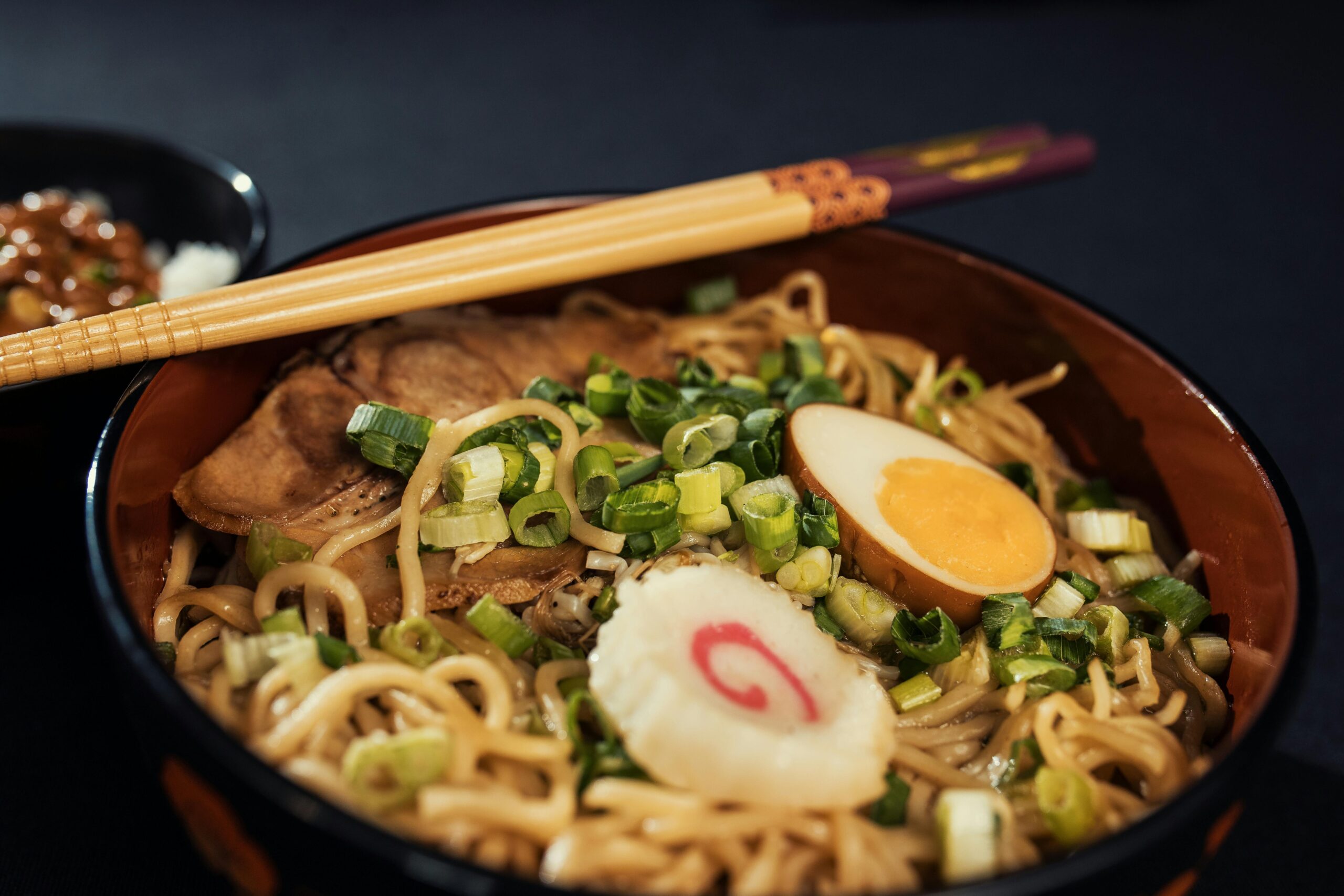
Umami is the secret weapon in many umami bombs — dishes that combine multiple umami-rich ingredients to create deeply satisfying flavors. Think spaghetti with tomato sauce and Parmesan, or ramen with miso broth, seaweed, and pork belly. It adds depth, complexity, and craveability to a dish.
Even fast food giants rely on umami. That burger you love? It’s loaded with umami from grilled meat, melted cheese, ketchup, and even the bun (if it’s toasted and caramelized).
A Taste That Brings Cultures Together
Although the term “umami” is Japanese, the concept is found across global cuisines:
Italian: Parmesan, tomato sauce, prosciutto
Chinese: Fermented black bean, oyster sauce
Thai: Fish sauce, shrimp paste
French: Duck confit, beef stock
Mexican: Mole, roasted peppers
This universal appeal makes umami a powerful bridge between cultures — a shared love of deliciousness that transcends language.