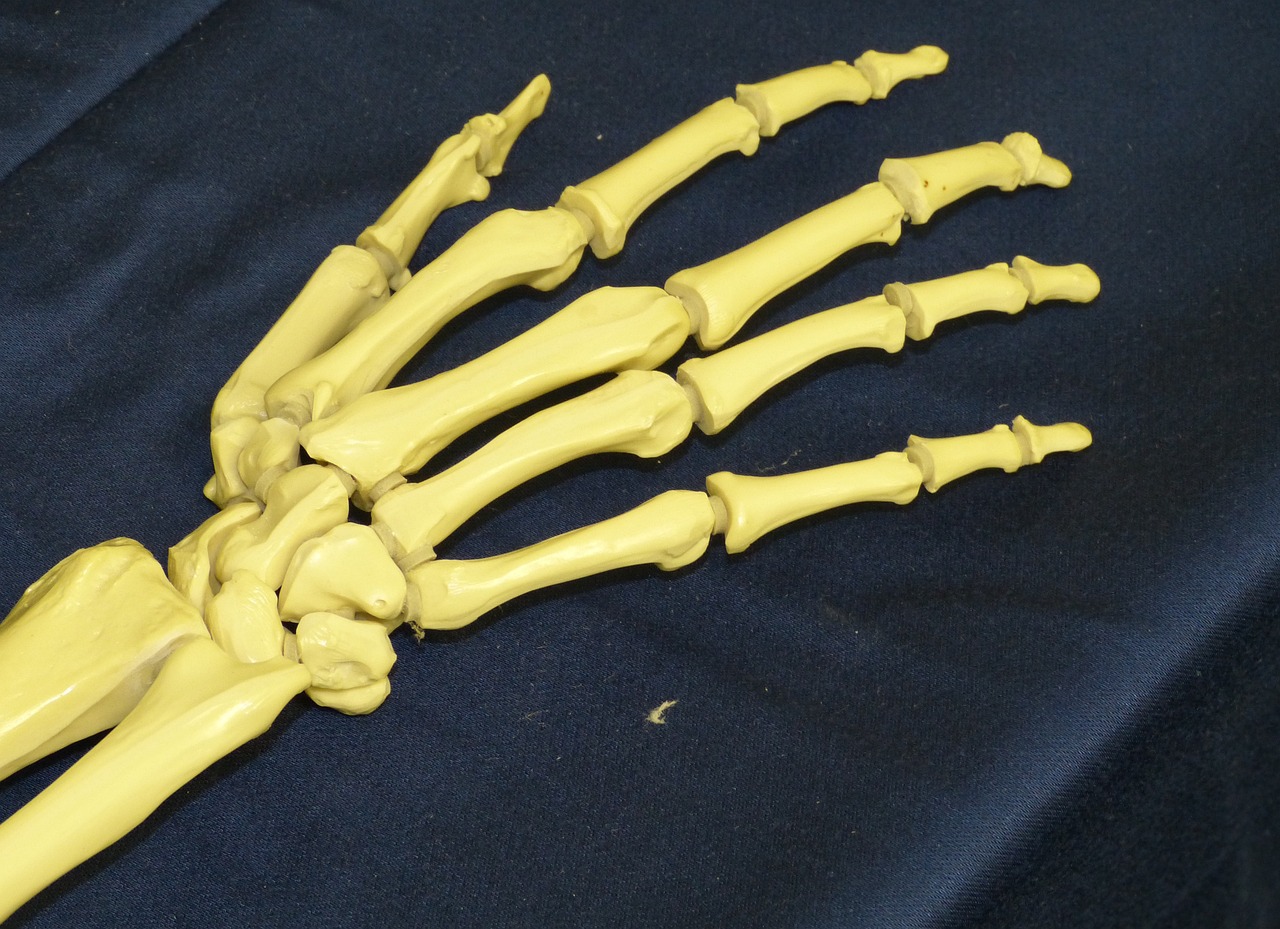
(image credit: By Falco)
Did you know that your bones didn’t start out as bones at all? Human bones begin as cartilage and undergo a complex transformation process to become the strong, rigid structures that hold us up. Let’s explore how your skeleton grows, reshapes, and even renews itself throughout your life.
All Bones Begin as Cartilage
Before birth, your entire skeleton is mostly made of cartilage—a soft, flexible tissue that you can still find in parts of your body like your ears and nose. This cartilage acts as a blueprint for your future bones. As you grow, your body initiates a process called ossification, in which cartilage is gradually replaced by bone tissue.
This transformation starts before you’re even born and continues well into your late teens or early twenties. It’s why babies and kids are so bendy, and why growth spurts seem to hit teens out of nowhere!
Meet Your Bone Builders: Osteoblasts and Osteoclasts
Your bones are alive—yes, really! They’re constantly being built, broken down, and rebuilt by specialized cells.
Osteoblasts are the bone builders. They deposit minerals like calcium and phosphorus to harden and strengthen bones.
Osteoclasts are the bone remodelers. They break down old or damaged bone tissue so new bone can take its place.
This dynamic duo works together in a process called bone remodeling, which happens continuously—even in adulthood. This is how your bones adapt to exercise, heal from fractures, and stay healthy over time.
Why Teenagers Grow So Fast
During puberty, your bones experience rapid growth due to surges in hormones like growth hormone and sex hormones (estrogen and testosterone). The ends of your long bones have special regions called growth plates (epiphyseal plates), which are made of cartilage and are where new bone is formed.
Once you reach the end of puberty, these growth plates “close” or fuse, meaning no further lengthening of bones can occur—this marks the end of height growth.
Bone Growth Doesn’t Stop—It Evolves
Even though you stop growing taller in your 20s, your bones continue to regenerate and renew. Your entire skeleton is replaced about every 10 years through bone remodeling. This is influenced by your lifestyle: physical activity, nutrition (especially calcium and vitamin D), and hormonal balance all affect how strong and dense your bones remain
Fun Fact: Your Bones Are Lighter Than You Think!
Despite being incredibly strong, bone is also lightweight—pound for pound, healthy human bone is stronger than steel. And with over 200 bones in your body, it’s one of the most impressive natural engineering feats around.