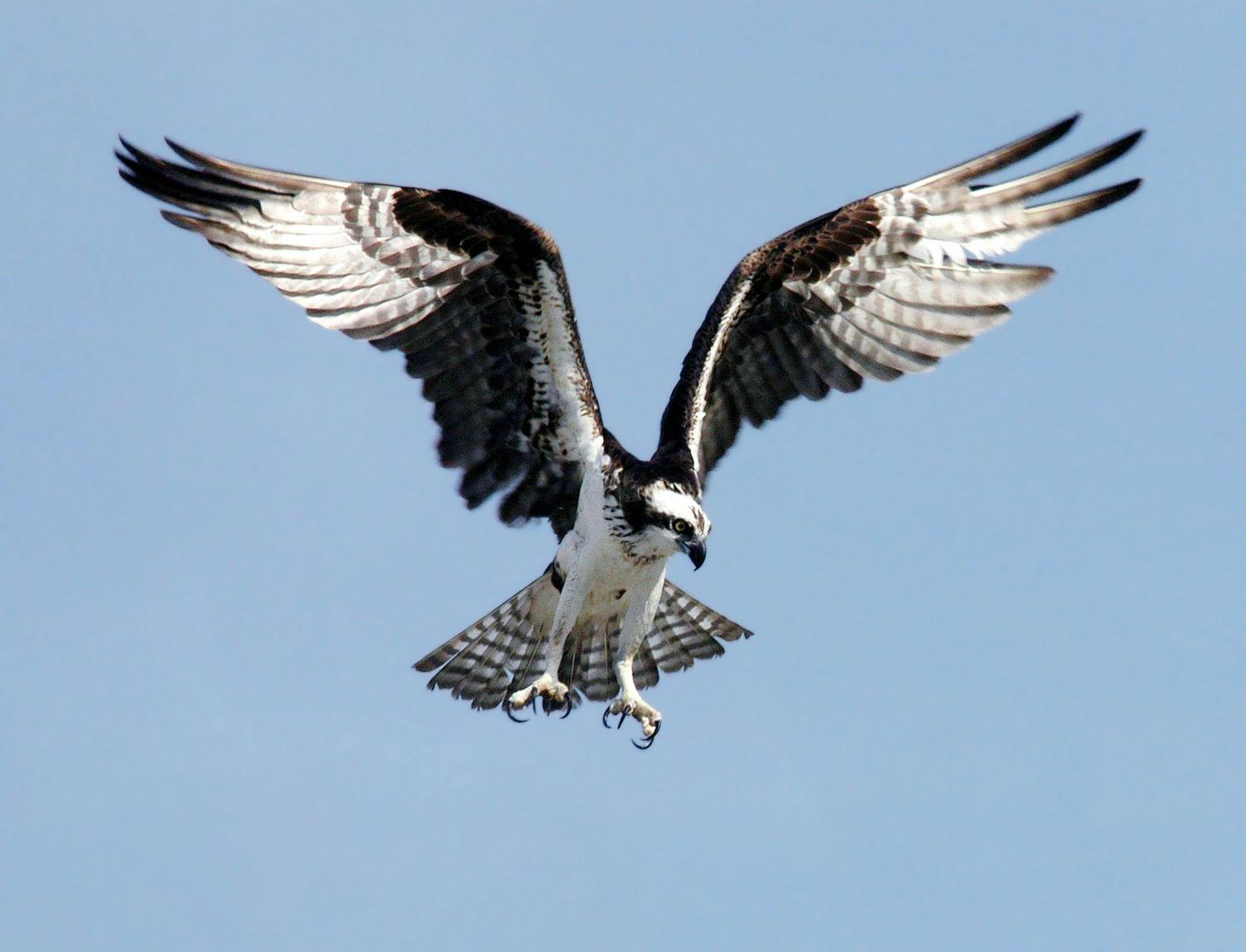
(image credit: by Pixabay)
Eagles soar effortlessly through the skies, riding invisible air currents for hours with barely a wingbeat. But how exactly do they do that? Here’s a closer look at the fascinating mechanics behind the flight of these powerful birds.
Nature’s Gliders: The Secret of Eagle Flight
Watching an eagle glide high above the earth is awe-inspiring. What seems like magic is actually a combination of biological adaptations and physics.
Wing Design Built for Soaring
Eagles have large, broad wings—some species like the bald eagle or golden eagle can reach a wingspan of over 7 feet (2.1 meters). These wings are not just wide—they are built to maximize lift and minimize energy use.
The feathers at the tip of an eagle’s wings spread out like fingers. These are called primary feathers, and they help reduce air turbulence and drag. Think of them as nature’s version of an aircraft’s winglets.
Soaring on Thermals
Eagles take advantage of thermals, which are columns of rising warm air created when the sun heats the Earth’s surface unevenly. Instead of flapping constantly, eagles locate these thermals and glide in circles to gain altitude. This behavior allows them to stay airborne for hours with minimal effort—perfect for scanning the ground below for prey.
Once they’ve gained altitude, eagles can glide long distances, descending gradually without using their muscles, conserving energy for sudden bursts of movement when they dive.
Eagle Eyes: Flight Guided by Vision
An eagle’s vision is 4–8 times stronger than that of a human. They can spot small mammals from two miles away. This superior eyesight allows them to plan their descent and swoop with perfect precision, adjusting wing positions in real-time to control speed and direction.
Built for Lift, Not Speed
Unlike falcons that dive at extreme speeds, eagles are designed for lift and stability. Their bones are lightweight and hollow, and their strong chest muscles give them just enough power for takeoff. Once airborne, though, it’s all about letting the air do the work.
Did You Know? Eagle Flight Trivia
Eagles can soar up to 10,000 feet high—nearly the height of a commercial airplane!
The albatross may hold records for endurance, but eagles win when it comes to power-gliding in search of food.
The bearded vulture (a type of eagle relative) even uses rocks in flight to crack open bones—smart flyers indeed!
Why It Matters: Energy Efficiency in the Wild
Eagle flight is not just about beauty—it’s about survival. By minimizing energy spent on flapping, eagles can conserve strength for hunting, defending territory, or escaping danger. This is crucial in the wild, where efficiency means survival.