(image credit: by Josh Sorenson )
Ever walked out of a dark theater into the glaring afternoon sun and felt temporarily blinded? That’s your eyes frantically adjusting to the new light conditions—a biological response known as light adaptation. Let’s explore how your eyes pull off this impressive optical trick!
The Amazing Adaptability of the Human Eye
Your eyes are constantly working behind the scenes to balance your vision in different lighting conditions. This process, known as light adaptation and dark adaptation, allows your eyes to shift between environments without losing sight—literally.
Step 1: The Pupil Reflex – Your Eye’s Natural Light Valve
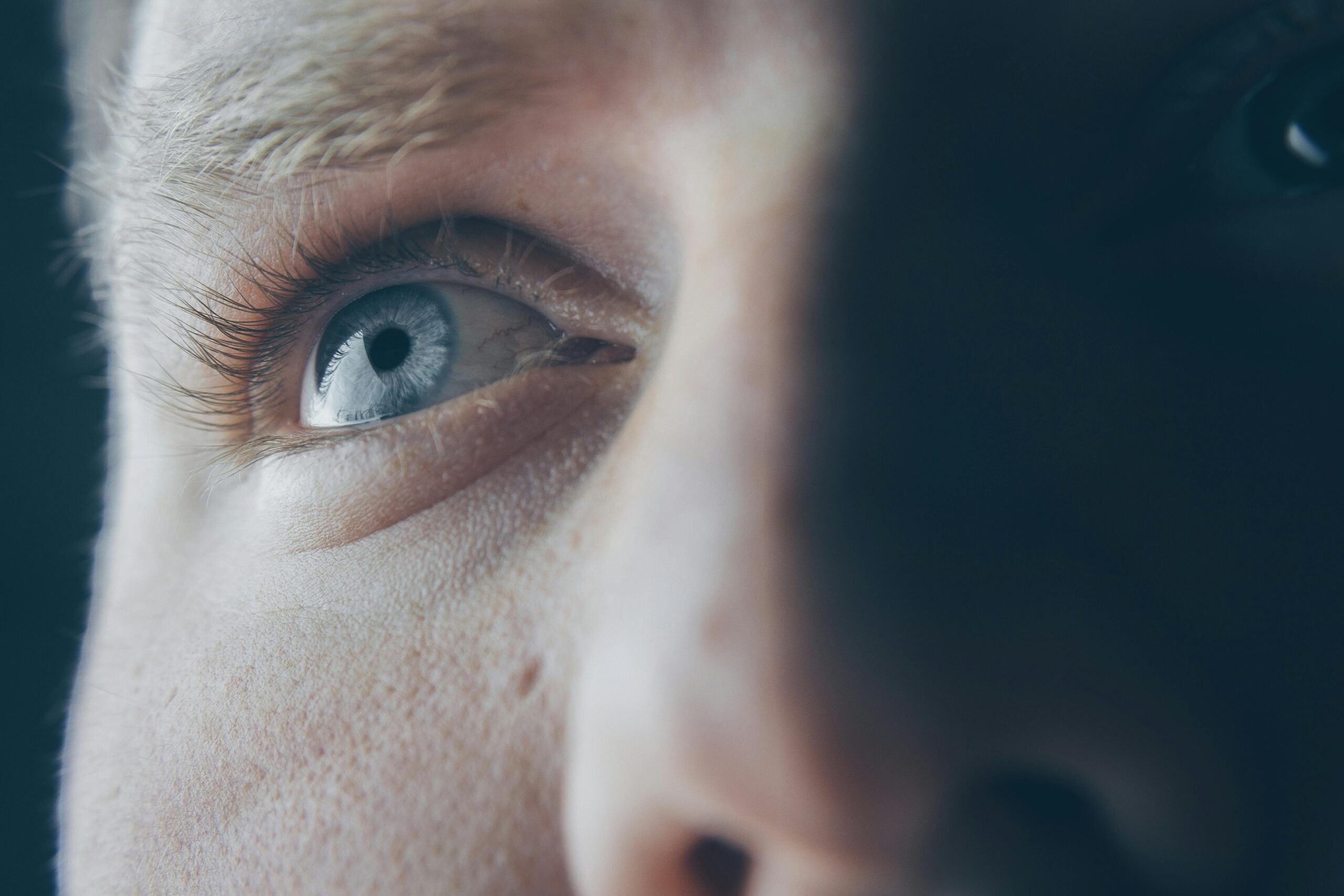
When light levels change suddenly, your iris jumps into action. It controls the size of your pupil—the dark central opening of your eye.
In darkness, your pupil widens (dilates) to allow more light in.
In bright environments, it shrinks (constricts) to reduce light exposure.
This reaction is almost instant and is known as the pupillary light reflex, controlled by your autonomic nervous system. It’s like your eye saying, “Whoa! That’s too bright!” and immediately pulling down the blinds.
Step 2: Rods, Cones, and a Chemical Reboot
Inside your retina are two types of photoreceptor cells:
Rods: Specialized for dim light, black and white vision
Cones: Active in bright light and responsible for color perception
When you’re in the dark, rods dominate and build up a light-sensitive molecule called rhodopsin. But when light floods in:
Rhodopsin breaks down rapidly—a process called photobleaching
Cones take over since they can handle the higher light levels
Your rods go “offline” temporarily while they regenerate rhodopsin
This is why you’re briefly blinded when going from dark to bright places—your visual system is switching from rod-dominant to cone-dominant mode.
Step 3: Brain Coordination
As your eyes make mechanical and chemical adjustments, your visual cortex in the brain is also reprocessing the incoming information. It recalibrates what’s important, adjusts contrast, and helps you reorient quickly. So even though your eyes do a lot of the work, your brain is the director behind the scenes.
How Long Does It Take?
Pupil adjustment: within seconds
Cone adaptation: 1–2 minutes
Rod regeneration: up to 20–30 minutes in full darkness
That’s why it takes longer to “see” in a dark room than it does to adjust to a bright one.
Fun Fact
Your night vision is most sensitive to blue-green light, which is why emergency vehicle lights and night-vision tools often use that wavelength.
Keywords:
how eyes adjust to light
pupil reflex
rods and cones in vision
rhodopsin and light
light adaptation in the eye
eye photoreceptors function
human eye brightness adjustment