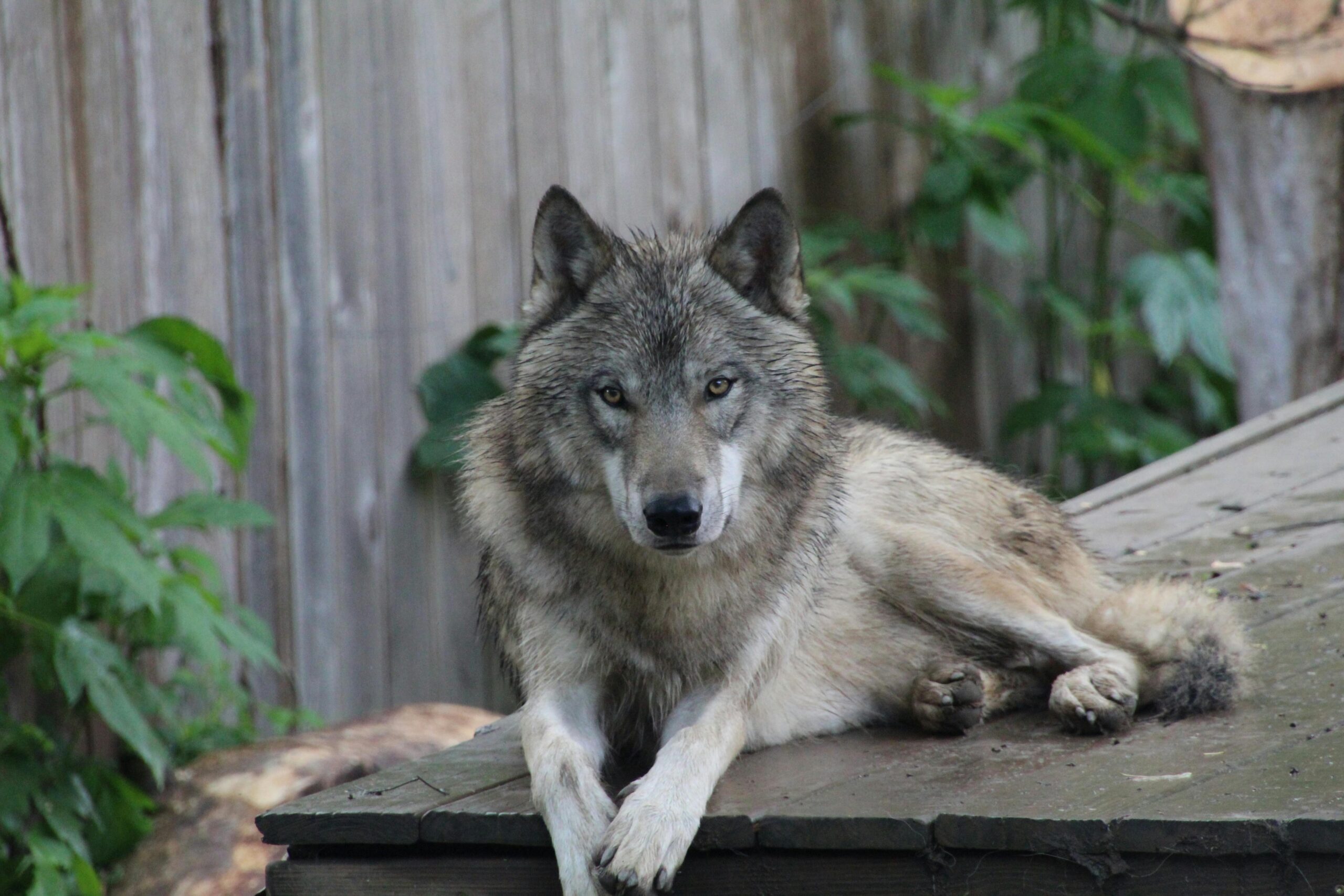
(image credit: by Sinful )
Wolves are famous for their haunting howls, but that’s only the beginning of their communication skills. From body posture to scent-marking, wolves use a secret language that keeps their pack strong and connected.
Wolves Speak in More Than Sounds
When you picture a wolf, you probably imagine it howling into the night. It’s a chilling sound—and a powerful one. But wolves don’t just communicate through vocalizations. In fact, their communication is a complex mix of howling, facial expressions, body language, and scent signals. These tools help them maintain order, bond as a pack, and navigate their environment efficiently.
The Role of the Iconic Howl
Yes, the howl is iconic—but it serves very specific purposes. Wolves howl to:
Reunite with pack members
Announce their presence to rivals
Warn other packs to stay away
Coordinate group hunting or territory patrols
Interestingly, each wolf has its own unique howl, kind of like a human voice print. This helps identify who is “speaking,” even across long distances.
Watch the Ears, Tails, and Eyes
Inside the pack, nonverbal cues dominate. Wolves are expressive animals. Their ears, tails, and overall body stance say a lot:
A lowered tail and crouched posture show submission
A raised tail and rigid posture signal dominance
Play bows (front legs stretched forward, rear up) invite friendly interaction
Ears forward indicate alertness, while flattened ears show fear or appeasement
These subtle movements prevent conflict and reinforce social bonds—think of it as the wolf version of social etiquette!
Scent: The Silent Messenger
One of the most overlooked wolf communication tools is scent-marking. Wolves use their urine, feces, and gland secretions to:
Define territorial boundaries
Signal their reproductive status
Indicate where they’ve been or what they’ve found
These chemical messages can linger for days, making them like nature’s permanent post-it notes. Other wolves can “read” these scents to avoid conflict, follow trails, or find mates.
Communication Builds Community
What makes wolf communication fascinating isn’t just its variety—it’s the emotional depth behind it. Wolves form strong family units, and clear communication is key to survival. Misunderstandings in a pack can lead to chaos, so wolves invest in staying connected, whether it’s through a greeting sniff, a grooming session, or synchronized howling.
This level of communication reveals how intelligent and emotionally sensitive these animals are.
Why This Matters
Learning about wolf communication isn’t just about appreciating wildlife—it reflects something bigger. Wolves show us that language doesn’t always need words. From wild predators to domestic dogs, nonverbal signals form a huge part of how animals connect with each other—and with us.
Understanding this deepens our respect for the natural world and reminds us that nature speaks. We just have to listen.
Final Howl
Wolves are far more than howling beasts—they are eloquent creatures with a rich emotional world. Whether through a subtle ear flick, a powerful scent message, or a soul-stirring howl, they remind us that true connection often lies beyond words.