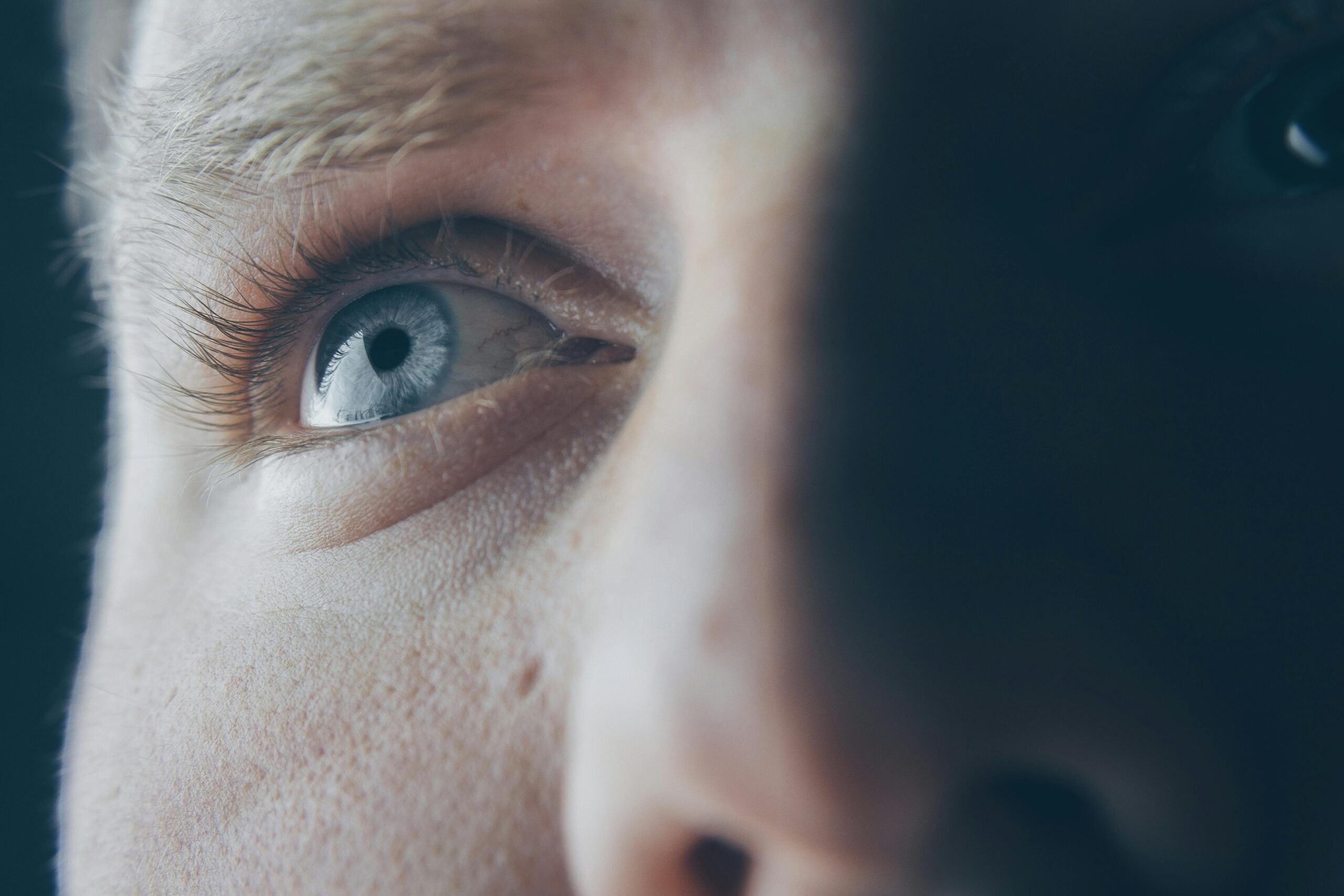
(image credit: by Gantas Vaičiulėnas)
Hair is more than just a fashion statement—it’s a biological marvel! Discover mind-blowing facts about human hair, from its composition and growth cycle to why it turns gray. You’ll never look at your hair the same way again.
Hair Is Made of Keratin—The Same Protein as Rhino Horns
Your hair is composed almost entirely of a tough protein called keratin, which is also found in animal hooves, claws, and feathers. Despite the differences in appearance, the structure is surprisingly similar. That’s why hair is strong enough to withstand heat styling, braiding, and even chemical treatments—though we don’t recommend overdoing it!
Each Hair Strand Follows a Life Cycle
At any given time, about 90% of your scalp hair is growing, thanks to the anagen phase, which can last several years. The hair then enters the catagen (transition) phase, followed by the telogen (resting) phase, after which it falls out naturally. Losing around 50 to 100 strands per day is completely normal—so no need to panic at the sight of hair in your brush!
Technically, Hair Is Dead
That shiny hair you see in the mirror? It’s made of dead keratin cells. The living part of your hair is the follicle beneath your scalp. That’s why haircuts don’t hurt—your brain might cry, but your scalp won’t.
Hair Grows Surprisingly Fast
Hair is the second fastest-growing tissue in the human body, next to bone marrow. On average, it grows about 0.5 inches (1.25 cm) per month, or roughly 6 inches per year. That’s why trimming split ends won’t “make hair grow faster,” but it can prevent breakage and give the illusion of growth.
Why Does Hair Turn Gray?
Your hair color is determined by melanin, the same pigment that gives color to your skin and eyes. As you age, melanin production slows down, and hair starts to lose its color, appearing gray or white. Genetics plays a big role here, but stress and nutritional deficiencies may also accelerate the process.
Hair Holds Clues to Your Health—and Identity
Forensic scientists love hair. Why? Because it can retain chemical traces of your diet, environment, and drug use. Even though the visible strand is dead, it acts like a historical record of your body’s exposure to substances—and DNA can be extracted from the root for identification.
Hair Has Power—Culturally and Symbolically
In cultures worldwide, hair represents strength, identity, and transformation. Think of Samson’s legendary power in his hair, or how cutting hair can symbolize mourning or rebirth. From punk mohawks to spiritual dreadlocks, hair tells stories beyond words.
Final Comb-Through
So the next time you style your hair, remember—it’s not just a part of your look. It’s a durable, versatile, and expressive part of your body with deep roots in both science and culture. Whether you’re into high buns or low fades, that hair on your head is more fascinating than you ever imagined.